Arriving in Barcelona is the start of an exciting Spanish holiday. From the city’s famous architecture and lively neighbourhoods to the Mediterranean coast and nearby countryside, there’s plenty to explore. While public transport connects Barcelona Airport with the city centre, having your own vehicle gives you more flexibility to discover destinations such as Sitges, Girona, the Costa Brava, and Montserrat.
If you’re looking for Barcelona car for rent options, a little preparation can make the experience much smoother. For many travellers, the journey begins at the airport rental desk, where decisions about vehicle choice, insurance, deposits, and additional fees can feel overwhelming after a long flight.
Knowing what to check before collecting your keys helps you compare your options, avoid unexpected costs, and start your Barcelona road trip with confidence.

Barcelona-El Prat Airport has two main terminals, T1 and T2, serving Barcelona and the wider Catalonia region. Before booking, check which terminal your flight arrives at so you know where to find your rental car.
Car rental offices are located in the arrivals areas of both terminals. At T1, you’ll find them on Floor 1, while at T2, they’re on Floor 0. Check the airport’s official information before travelling, as locations and arrangements may change.
Once you’ve collected your luggage, follow the car rental signs and keep your booking confirmation handy. If your provider uses an off-airport pickup point, you may need to take a shuttle or walk to a separate car park. Check the collection instructions in advance and allow extra time, especially if you’re travelling with children or carrying several bags.
Booking ahead gives you time to compare vehicle types, rental conditions, and pickup arrangements. It can also help you secure a suitable car during busy travel periods.
When comparing Barcelona airport car rental options, look beyond the headline price. Check whether the quoted rate includes taxes, airport surcharges, mileage, and the insurance cover you need. A low advertised price may not reflect the final amount you pay.
Before booking, review:
Total price: Check for additional fees, optional extras, and charges for late pickup or return.
Fuel policy: A full-to-full policy means you collect the car with a full tank and return it full, as outlined in the rental agreement.
Mileage allowance: Confirm whether mileage is unlimited or capped.
Driver requirements: Check minimum-age rules, how long you must have held your licence, and any young- or senior-driver fees.
Payment card: Confirm which cards are accepted and whether the main driver must present a physical credit card.
Cancellation terms: Check the deadline for changing or cancelling your booking.
Compare like-for-like offers and read the rental terms before paying. If you plan to add another driver, travel outside Spain, or return the car to a different location, confirm any extra charges in advance.
Barcelona–El Prat Airport serves the city and the wider region, but pickup arrangements vary between rental companies. Some providers have desks or collection points at the airport, while others direct customers to a nearby location or shuttle service.
For car rental at El Prat, read the supplier’s pickup instructions carefully before your flight. Check the terminal, desk location, shuttle arrangements, and opening hours, especially if you arrive late at night or early in the morning.
Keep your booking confirmation and the rental company’s contact details accessible. If your flight is delayed, follow the supplier’s instructions for reporting the change and confirm whether your reservation will be held.
Before leaving the pickup area, make sure you know how to operate the lights, parking brake, fuel cap, and any unfamiliar dashboard controls. Ask the rental representative about local emergency procedures and what to do if the vehicle develops a problem.
Having your documents ready can make collecting your rental car quicker. Before you travel, check that you meet both Spain’s driving requirements and your rental company’s conditions.
Make sure you have the following:
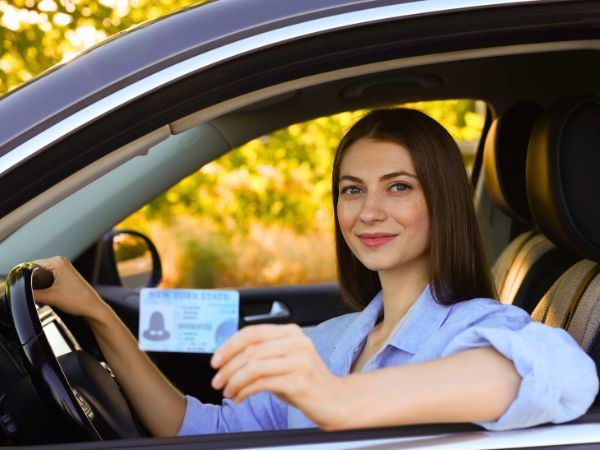
Valid driving licence: EU and European Economic Area licences are generally recognised in Spain while valid. If your licence was issued elsewhere, check the current Spanish requirements before travelling.
International Driving Permit (IDP): Depending on where your licence was issued, you may need an IDP alongside your original licence. An IDP does not replace your original licence.
Passport or other accepted identification: Confirm which identification documents the rental company requires.
Payment card: Check which card types are accepted, whether a credit card is required, and whether the main driver must present the physical card.
Driver eligibility: Check minimum-age rules, how long you must have held your licence, and whether any additional driver fees apply.
Additional driver documents: If someone else will also drive, confirm what documents they need to provide and whether they must be present at collection.
Before confirming your booking, review the rental company’s requirements. At pickup, make sure the main driver’s name matches the booking, and the payment card meets the rental agreement’s conditions.
Insurance wording can be confusing, so check what protection is included and what you could still have to pay after an incident.
A rental agreement may include basic cover while leaving you responsible for an excess if the vehicle is damaged or stolen, subject to the policy terms. Optional cover may reduce that amount or provide other benefits, but exclusions and conditions can apply.
The security deposit is different from the excess. The rental company may place a temporary hold on your payment card to cover potential charges under the agreement. The amount, accepted cards, and release timing vary by provider and bank.
Before you sign, check:
What insurance is included in the quoted price.
The excess for damage and theft, where applicable.
Whether tyres, glass, wheels, underbody damage, or lost keys are excluded.
The deposit amount and the type of card required.
What evidence you need if you want to make a claim or dispute a charge.
Don’t assume that buying an additional policy automatically removes the rental company’s deposit requirement. Ask how the cover works and whether you would need to pay the rental company first and claim reimbursement later.

Barcelona has a low emission zone (Zona de Baixes Emissions, or ZBE) designed to restrict certain higher-polluting vehicles. Restrictions generally apply on working days, Monday to Friday, from 7:00 am to 8:00 pm, although you should check the official rules for the dates and areas relevant to your trip. The requirements depend on the vehicle’s environmental eligibility, and special conditions may apply to vehicles registered outside Spain.
Before driving into the city, check the current requirements and the areas covered by the restrictions. Do not assume that every vehicle can enter simply because it was available to rent.
The registration details matter. Vehicles with foreign number plates must be registered before entering its metropolitan low emission zones. Eligible vehicles can apply for authorisation, and some vehicles may qualify for limited daily permits. This requirement concerns foreign-registered vehicles; it should not be confused with the rules that apply to a typical Spanish-registered rental car.
Ask your rental provider whether the vehicle is authorised for the places you intend to visit, particularly if it has foreign registration or you plan to drive beyond the airport area. Check official guidance close to your travel date, as restrictions and procedures can change.
A rental car can be useful for exploring beyond central Barcelona, but driving and parking in the city may be less convenient than using public transport.
If you’re staying in the centre, check whether your accommodation has parking and whether it needs to be reserved. Public car parks may be easier than searching for a street space, and parking restrictions can vary by street and zone. Read signs carefully and use authorised parking facilities.
For longer journeys, plan your route before setting off. Allow extra time for traffic around the city and airport, and check your navigation system for toll roads and alternative routes. If you intend to visit coastal towns or rural destinations, confirm that your accommodation has suitable parking and that your planned route is practical for your vehicle.
Spain drives on the right-hand side of the road. Follow posted speed limits, wear seat belts, and avoid using a handheld phone while driving. If you’re unfamiliar with local road rules, review the official guidance before setting off.
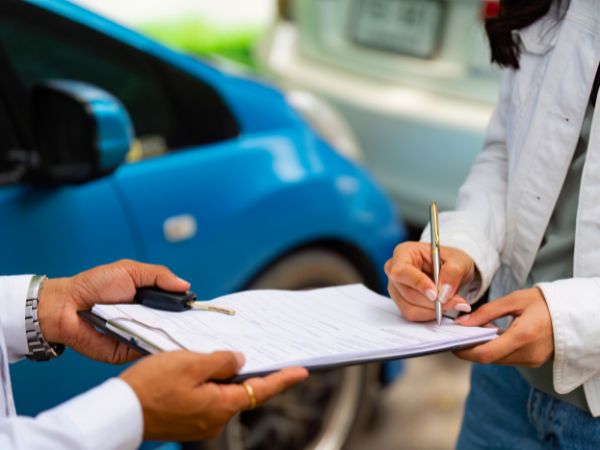
Take a few minutes to check the vehicle before driving away. This can help prevent disputes over damage when you return it.
Walk around the car and look for scratches, dents, cracked glass, wheel damage, and marks on the bumpers. Photograph or video the exterior and interior, including the dashboard and fuel level. Make sure any existing damage is recorded on the rental inspection form or in the provider’s approved reporting system.
Also check that the registration number matches your agreement and that the car has the equipment and documents required for your journey. If anything is missing or unclear, raise it with the rental representative before leaving.
Keep copies of the agreement and inspection record until the rental is fully closed and any deposit hold has been released.
Before returning the vehicle, check the required drop-off location, opening hours, fuel policy, and any instructions for after-hours returns. Airport rental companies may use a different return area from the collection point, so follow the supplier’s directions rather than relying only on your navigation app.
If the agreement requires a full tank, refuel close to the return location and keep the receipt. Allow enough time to reach the car park, complete the inspection, and get to your departure terminal.
When possible, return the car during staffed hours and ask for confirmation that the vehicle has been checked in. If you must leave the keys in a drop box, follow the provider’s instructions and take photographs of the parked vehicle, fuel level, mileage, and return location.
Keep your paperwork until any final charges are settled. A security deposit hold may take additional time to disappear from your account, depending on the rental company and card issuer.
If Barcelona is only one stop on your trip, decide whether you need a car for the entire journey or just for excursions outside the city. You may find it easier to use public transport in central Barcelona and collect a rental car when you’re ready to travel farther afield.
For other trips around Spain, you can also read our guides to renting a car at Madrid airport and Malaga airport. Compare pickup arrangements, rental terms, and your planned route before deciding where to collect your vehicle.
Before your flight, make sure you have:
Your booking confirmation and the rental company’s pickup instructions.
A valid driving licence and any additional permit required for your circumstances.
Identification and an accepted payment card.
A clear understanding of the insurance excess and deposit.
Check the vehicle’s access requirements if you plan to enter a low emission zone.
A plan for parking, fuel, and returning the car.
A little preparation can make collecting a rental car at Barcelona–El Prat much more straightforward. Compare the full cost, read the terms, and confirm any licence or access requirements before you travel. That way, you can spend less time sorting out paperwork and more time enjoying Barcelona and the surrounding region.

Final Rentals helps you compare available car hire options based on your travel plans, passenger numbers, and luggage needs. Before booking, check the pickup location, rental terms, deposit, insurance, and fuel policy to avoid surprises when you arrive.
For added convenience, you can access Final Rentals through its app on Google Play and the Apple App Store. Keep your booking details handy and plan your pickup for a smoother start to your trip. With a little preparation, finding a Barcelona car for rent can be simple and stress-free.
Booking in advance lets you compare prices and rental conditions before you arrive. It may also give you a better choice of vehicle, particularly during busy travel periods. Check the cancellation policy and final price before confirming.
It depends on where your licence was issued and the applicable Spanish requirements. Some visitors need an International Driving Permit alongside their original licence. Check official guidance and confirm the rental company’s requirements before travelling.
No. The registration process described by Barcelona’s metropolitan authority applies to vehicles with foreign number plates entering its low emission zones. For a rental car, ask the provider about the vehicle’s registration and whether it is authorised for your planned route.
No. The excess is the amount you may be responsible for under the insurance terms after a covered incident. The security deposit is a temporary hold or deposit taken to cover potential charges under the rental agreement. The amounts and conditions are set by the provider.
Confirm the return location, opening hours, fuel requirements, and after-hours procedure. Photograph the car and fuel level, keep any refuelling receipt, and retain your paperwork until the rental is closed and any deposit hold has been released.